
Holocaust Memorial Day
Holocaust Memorial Day takes place every year on 27 January, the anniversary of the liberation of the Auschwitz concentration camp during the second world war.
It is a day to remember the millions of people murdered in the Holocaust and the genocides that followed in Cambodia, Rwanda, Bosnia and Darfur.
What is Holocaust Memorial Day?
Holocaust Memorial Day is a day when people across the world take the time to remember and commemorate the six million Jews who were murdered in the Holocaust, the millions more who were killed or persecuted by the Nazis and all those who have lost their lives, their homes and their way of life in more recent genocides. The Holocaust Memorial Day Trust encourages remembrance in a world that is still scarred by prejudice, discrimination and persecution.
Holocaust Memorial Day is also a time to learn from the lessons of the past. In the UK we are fortunate not to be at immediate risk of genocide but hatred and discrimination still exist. While prejudice, discrimination and racism don't always lead to genocide we also recognise that genocide doesn't just happen. It is a process that begins when racism and hatred are not checked and prevented.
Professor Gregory H Stanton identified 10 stages of genocide. These show that genocide is a process that develops in stages that are predictable but not inevitable and that genocide can be prevented.
Stages of genocide
- Classification - Difference is not respected, creating a division of 'them' and 'us'
- Symbolisation - Identifying people as different. The Nazis forced Jews to wear yellow stars
- Discrimination - Certain groups are denied their civil rights. The Nuremburg Laws stripped Jews of their German citizenship
- Dehumanisation - Treating people as a different form with no human rights or personal dignity. Tutsi in Rwanda were referred to as cockroaches
- Organisation - Genocide doesn't just happen. It is planned and regimes train people to destroy others
- Polarisation - Propaganda is used to spread hate about the targeted groups, creating fear and distrust
- Preparation - Perpetrators plan for the genocide using phrases such as 'The Final Solution' to hide their true intentions while building armies and weapons to destroy their target groups
- Persecution - Victims are identified, death lists created, people segregated, deported and starved. Genocidal massacre begins
- Extermination - A deliberate and systematic campaign of violence and murder. Millions lose their lives and others are changed beyond recognition
- Denial - The perpetrators, and sometimes later generations, deny the existence of any crime
During the earlier stages there is a chance to stop the genocide before it happens but the world often fails to notice what is happening until it is too late. Learning about the Holocaust and genocide can help us identify the warning signs before it is too late.
You can find out more about the 10 stages of genocide at https://www.hmd.org.uk/learn-about-the-holocaust-and-genocides/what-is-genocide/the-ten-stages-of-genocide/
Holocaust Memorial Day 2026 - Bridging Generations
The Holocaust Memorial Day Trust chose Bridging Generations as the theme for 2026 to encourage everyone to actively engage with the past. To listen, to learn and to carry those lessons forward to build a bridge between memory, history and action to create hope for a better future.
'Bridging Generations' is not just the theme for Holocaust Memorial Day 2026, it is a call to action, a reminder that remembrance is not just the responsibility of those who survived the Holocaust or genocide. Remembrance must live on, not only through their children and grandchildren but through us all.
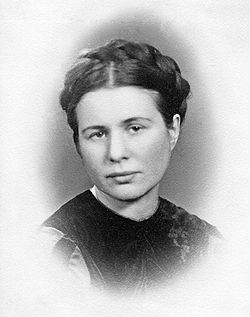
"We and future generations must also remember the human cruelty and hate which led those who handed over their neighbours to the enemy, the hate which told them to commit murder. There was also indifference toward the tragedy of those who perished. It is my dream that this memory becomes a warning to the world and that humanity never experiences such a tragedy again."
Irena Senlerowa on receiving the Order of the White Eagle in 2003. Irena was Holocaust survivor who rescued nearly 2,500 children from certain death.
Why Bridging Generations?
Genocide doesn't discriminate by age and people of all ages can play a role in preserving the memories of the Holocaust and more recent genocides. The Holocaust Memorial Day Trust has identified four 'generations', some overlapping, who need to work together, talk, listen and record the memories of the past for future generations.
Murdered generation: The people who were murdered or died during the Holocaust or other genocides. People of different ages and from different times, whose lives and voices were brutally taken away. Their experiences must not be forgotten.
First generation: The people who survived the Holocaust and other genocides. Few Holocaust survivors are still alive today but many of their testimonies were recorded or shared with family and friends. There are more first generation survivors from other genocides who often share their stories at Holocaust Memorial Day events.
Second and third generation: The children and grandchildren of survivors carry their legacy in a deeply personal way.
People with no direct family link to the Holocaust or any other genocide: We all have a responsibility to keep history alive and to use the lessons of the past to shape a future that better protects the dignity of every human being today, tomorrow and long into the future.
Get involved
Everyone can respond to the Bridging Generations call to action. You can do find out more about how to get involved at https://hmd.org.uk/what-is-holocaust-memorial-day/hmd-theme-2026/ or check what is going on in Newcastle at www.newcastle.gov.uk/holocaust-memorial-day-2026
Holocaust Memorial Day Commemorations
Click on the links below to find out more about how we commemorate Holocaust Memorial Day in Newcastle, funding opportunities and to reflect on our previous Holocaust Memorial Day events and activities
If you would like to give us feedback on our website, please complete this short online form.